of surveyed diners go directly to a restaurant website to book.
Independent concept · Restaurant service experience
Turning a restaurant website into a system guests can use—and owners can run.
I translated research on menu, booking, mobile, and maintenance pain points into a working restaurant experience with a clear narrative, structured menu, focused reservation flow, and reusable content foundations.
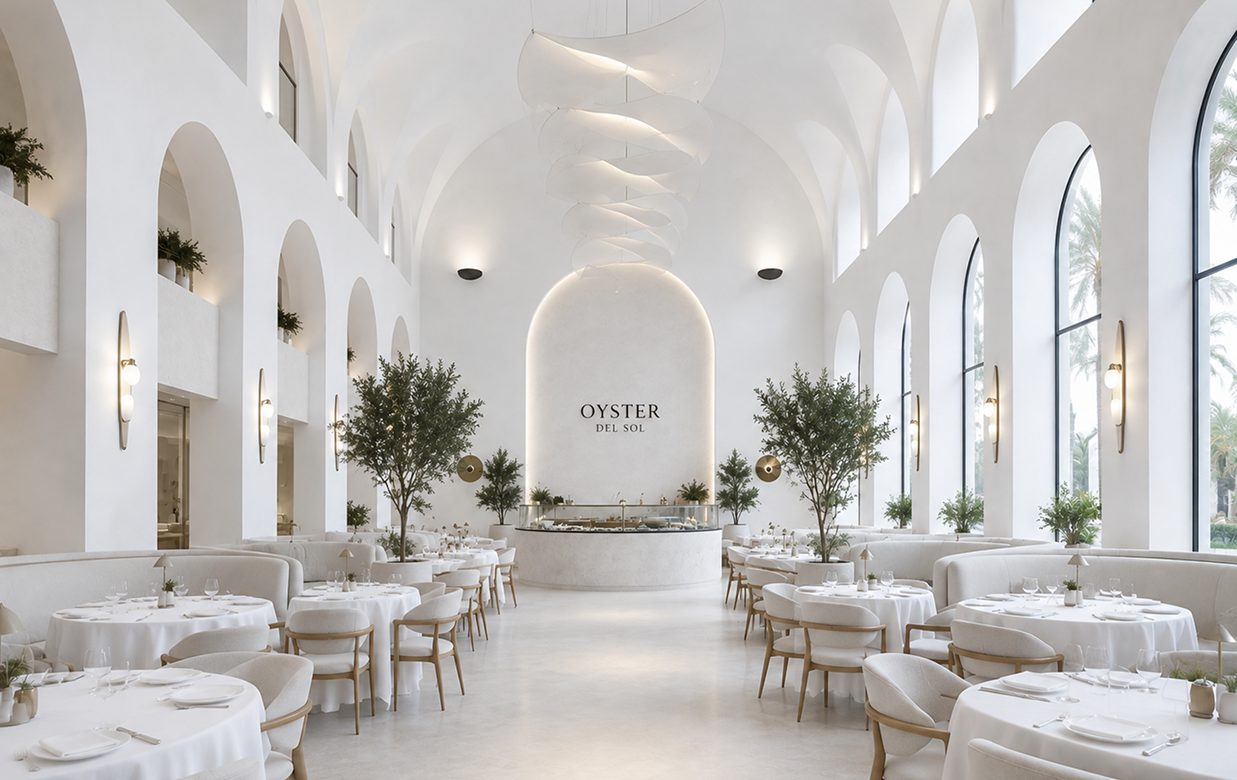
The live prototype demonstrates the complete guest journey, including an editorial menu and working reservation interaction.
01
The problem
A restaurant site is a decision and service channel—not a digital poster.
Guests arrive with practical questions: what is served, whether the experience fits the occasion, where the restaurant is, and how quickly they can reserve. Restaurant websites often make those answers harder through PDF menus, generic templates, disconnected booking widgets, and content owners struggle to update.
The opportunity was to connect atmosphere and storytelling to a direct, legible path from discovery to menu to reservation.
How might a distinctive restaurant experience stay expressive for guests while remaining structured and maintainable for the people running it?
are put off when making a reservation is difficult.
start their search for a reservation on Google.
Verified 2025 diner research cited in the project brief. These figures shaped the priority given to clarity, search-ready content, and reservation access.
02
Research to direction
A repeatable method kept visual choices connected to evidence.
I combined a six-site restaurant benchmark, a four-agency competitive scan, pain-point research, and a structured redesign method. Every major decision had to trace back to a guest need, the restaurant story, or an observed pattern.
- 01
Diagnose
Audit menu format, booking path, mobile behavior, content ownership, language, accessibility, and local information.
- 02
Frame
Define the story, commercial segment, guest decision, and primary business action.
- 03
Benchmark
Study mechanisms rather than copying screenshots, including references outside hospitality.
- 04
Systemize
Derive type, color, spacing, media, interaction, and content rules from the concept.
- 05
Prototype
Build the key journey and test the experience as a connected service rather than isolated screens.
03
Experience architecture
Story creates desire. Structure removes doubt.
The page follows a seven-beat narrative while protecting the shortest commercial journey: Home → Menu → Reserve. Each section answers the next question without forcing the guest into a deep navigation structure.
- 01HookPositioning and visual appetite
- 02StoryPeople and point of view
- 03OfferSignature dishes
- 04ExploreFull HTML menu
- 05PlaceAtmosphere and location
- 06ProofAttributed recognition
- 07ActionReserve a table
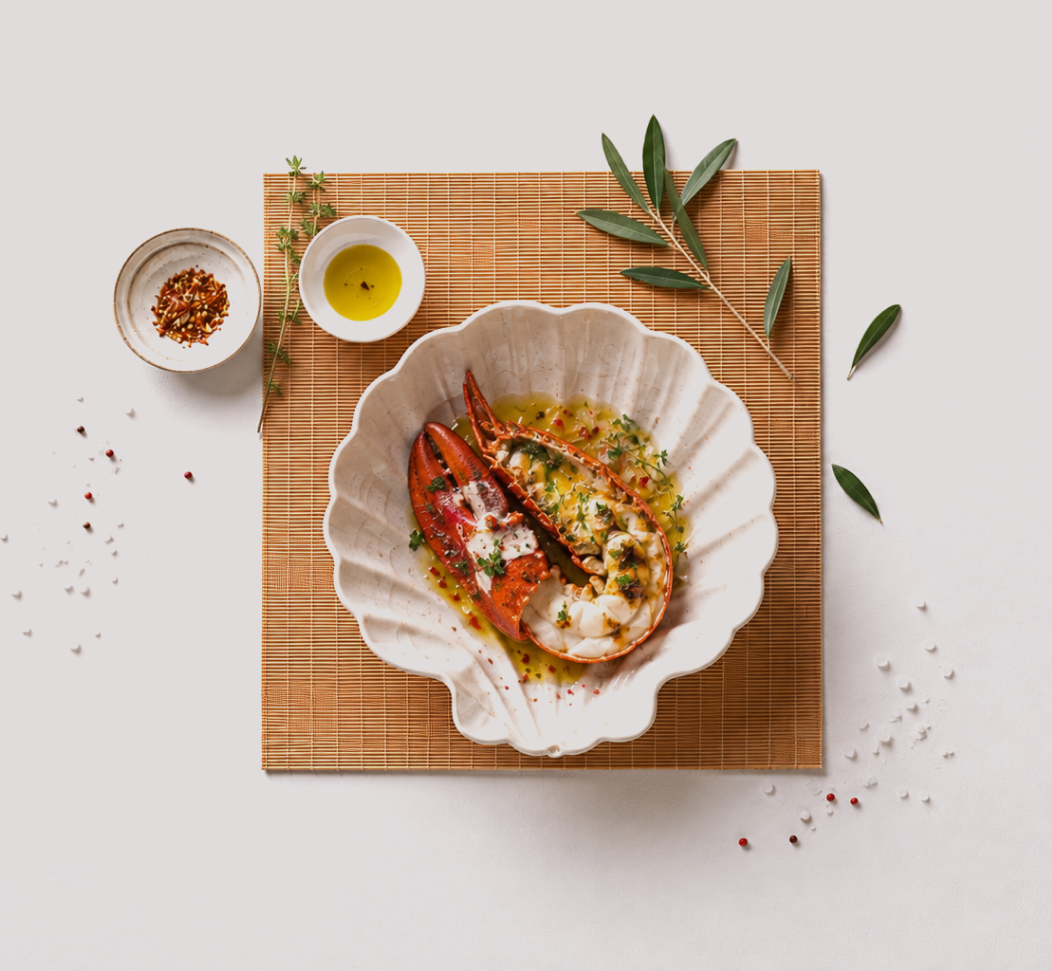
System decisions
- Structured menuSelectable dish names, descriptions, categories, and prices—not a PDF.
- Focused bookingParty size, date, time, and contact details in one clear modal flow.
- Responsive mediaDeclared image ratios and flow-based layouts prevent fixed-frame breakage.
- Persistent actionMenu and reservation remain reachable without interrupting the story.
04
The owner side
The content model is part of the product design.
A restaurant site stays useful only when its most changeable information is easy to maintain. I mapped guest-facing blocks to owner-editable fields so the experience could evolve without rebuilding the page.
Menu
Dish, description, price, allergens, availability, and category.
Booking
Provider, covers, time slots, blackouts, and group-booking rules.
Service details
Opening hours, holiday overrides, address, phone, and directions.
Story and media
Photography, announcements, events, specials, and language variants.
05
Outcome and learning
A working demonstration of product thinking across both sides of the service.
The result is a live, responsive prototype that connects brand expression with usable menu discovery and a testable reservation flow. It also produced a reusable method for future restaurant redesigns—from diagnosis and research through tokens, interaction states, and content operations.
This is an independent concept, so the outcome is demonstrated through shipped behavior and system completeness rather than invented conversion metrics.
Connected guest journey
Discovery, story, menu, atmosphere, proof, and booking.
Working interactions
A full editorial menu and reservation flow.
Reusable method
Evidence, system, content model, build, and QA.
What this work demonstrates
Research can shape a product’s structure, visual language, and operating model at the same time.
The project shows how I move beyond a polished screen: I connect user decisions, business action, reusable design rules, responsive behavior, and the practical work of keeping a service current.